Safari Birthday Party
A spotting list, not a zoo
- Ages
- 3–7
- Runs
- 2 hours
A safari party works when the children are given something to look for. Hand out a spotting sheet and hide the animals, and a room becomes a game reserve; skip that and you have a jungle party with fewer plants. The theme is the search, and the decorations exist to hide things in.
The colour palette
#5E6226 #9A8B4F #C9A961 #E3D9BE #6B4A2E The running order
| From | What happens |
|---|---|
| 0:00 | Arrivals — binoculars and spotting sheets issued at the door |
| 0:15 | The spotting hunt. The long one; run it first |
| 0:45 | Track identification |
| 1:00 | Food at the watering hole |
| 1:25 | Cake |
| 1:40 | Animal charades |
| 2:00 | Home, sheets signed off |
Decorations
- Animals hidden, not displayed. Behind curtains, under chairs, on top of the bookshelf — every one is a find.
- Hessian or plain canvas on the table instead of a cloth. It is the material the whole theme sits on.
- Tall paper grass taped along one wall at child height, so there is something to peer through.
- One pair of binoculars per two children, real or kitchen-roll, hung by the door.
Food
- A 'watering hole' — any blue jelly or drink in a wide bowl at the table's centre.
- Animal-shaped sandwiches, or plain ones cut with the same cutter used for the dinosaur theme.
- Dried fruit and nuts in hessian sacks as 'ranger rations'.
- A cake with a paper acacia tree and a few animals arranged under it.
Games
- The spotting hunt: a sheet with six animals, each ticked off when found. This is the party.
- Animal charades for the older half of the group.
- Watering hole freeze — move like an animal, freeze when the music stops.
- Track identification: paper footprints on the floor, matched to the right animal.
Favours
- The binoculars they used all afternoon.
- The animal they found, if you hid one per child.
- A completed spotting sheet with their name on it, which parents keep.
- Animal stickers and a card to stick them on.
Where to shop this theme
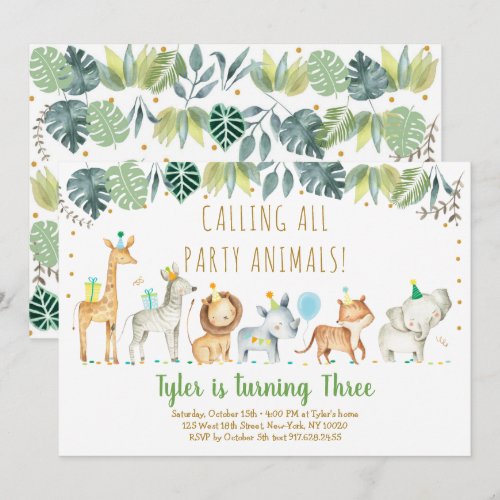
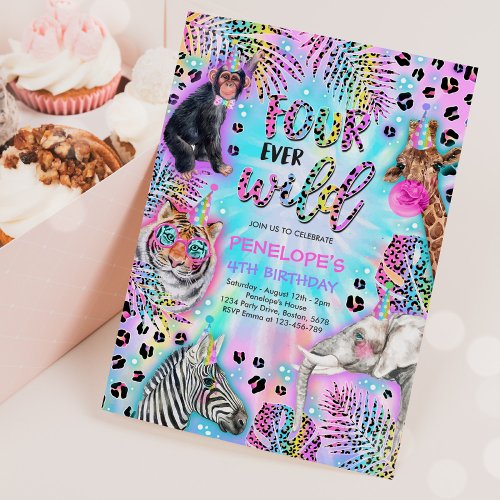
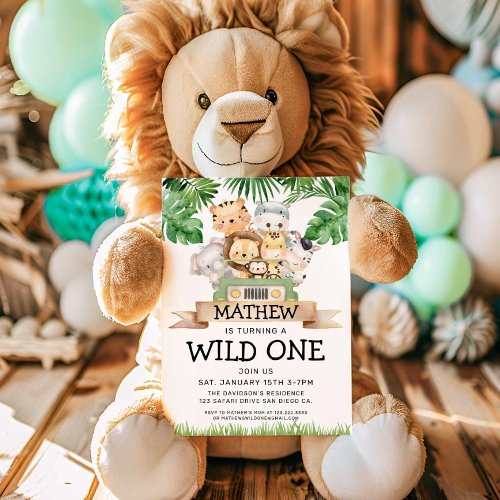
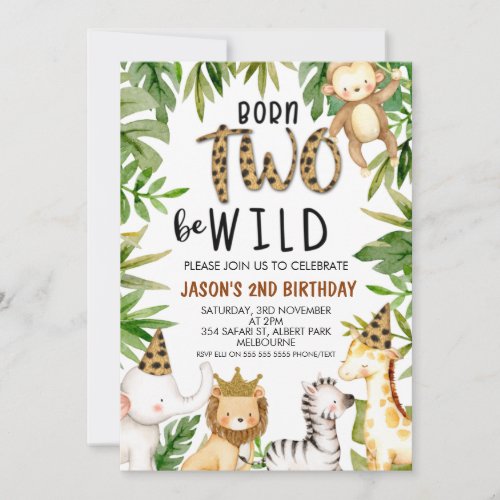
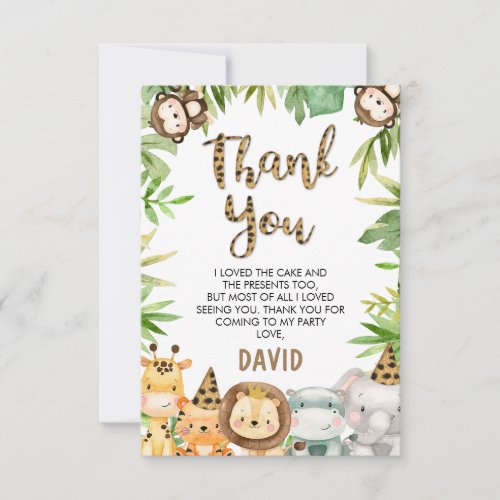
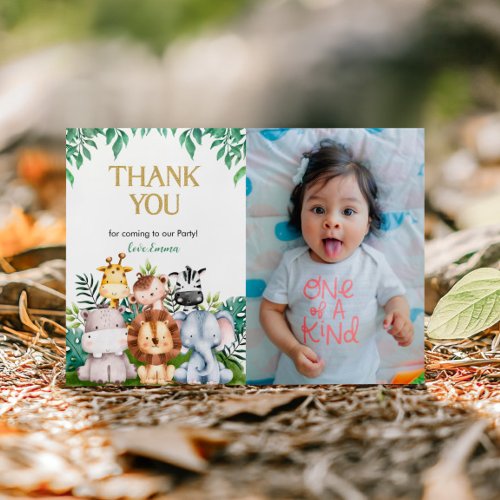
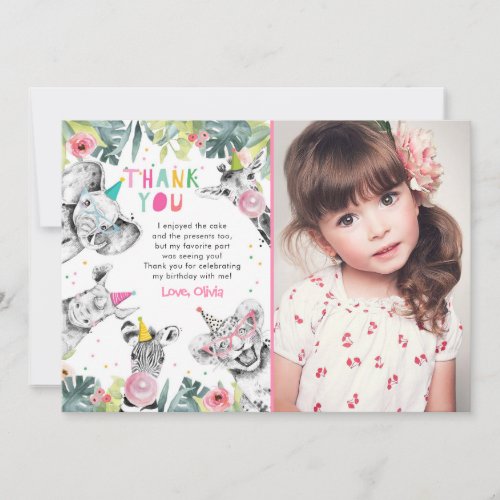
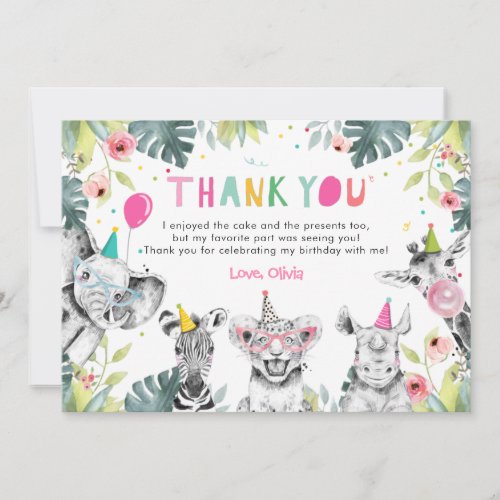
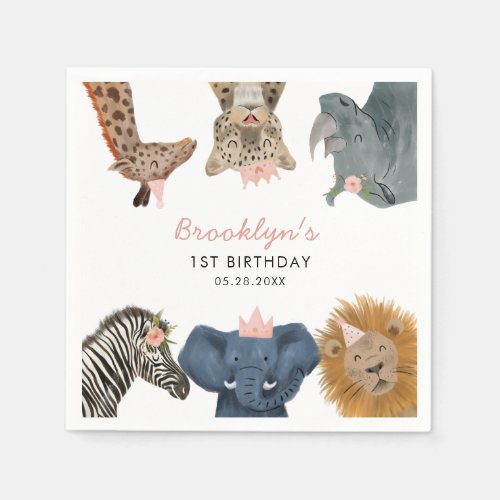
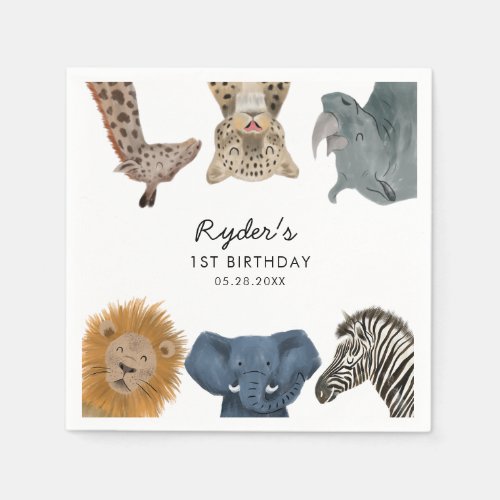
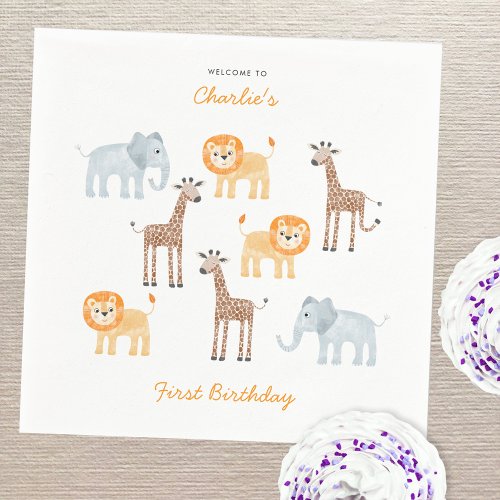
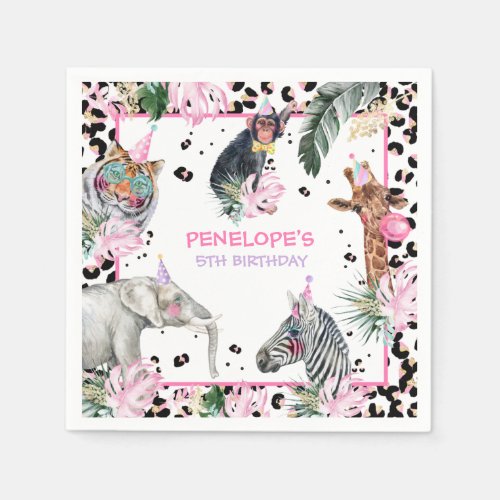
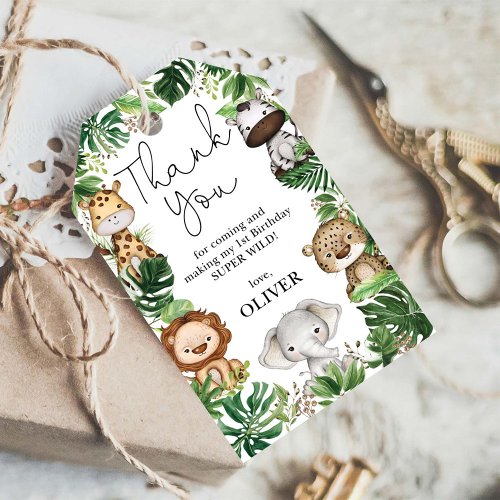
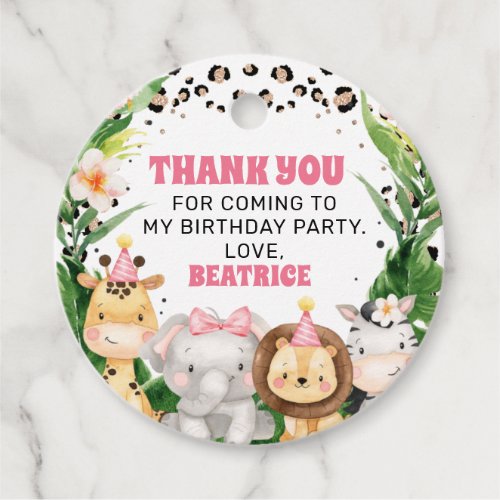
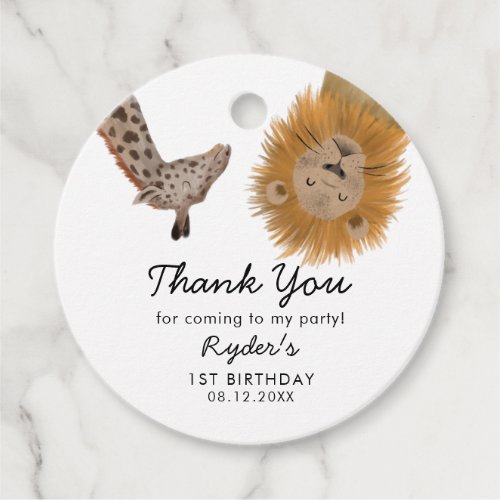
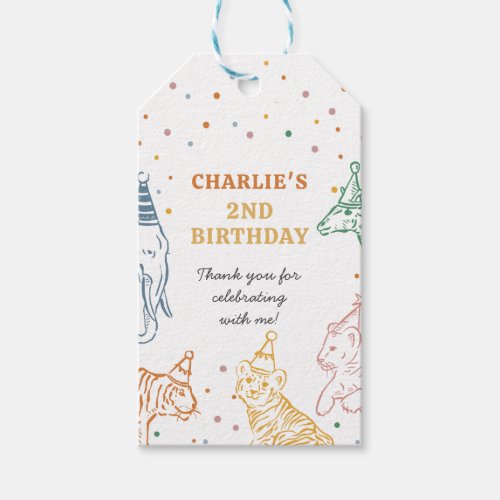
Invitations, thank-you cards and favours are the strong categories on Zazzle for this theme. Physical decorations are thinner there — buy those locally and spend the budget on the paper, which is the part guests keep.
Invitations
Thank You Cards
Cake Toppers
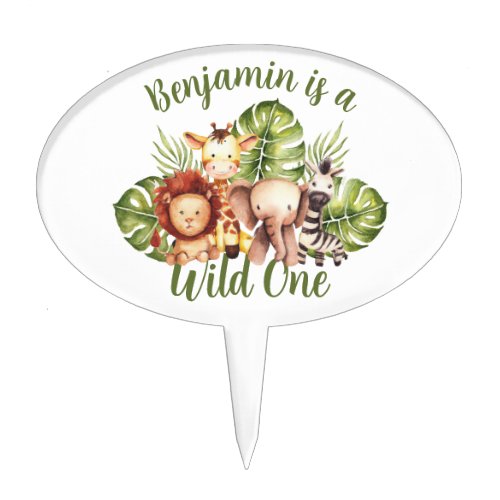
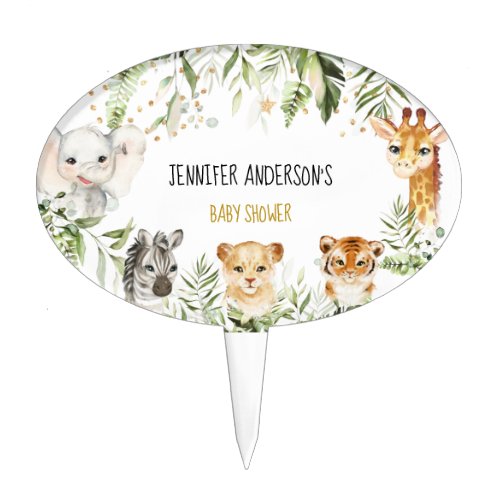
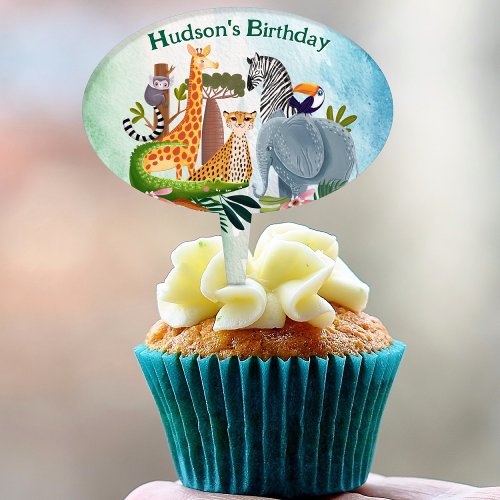
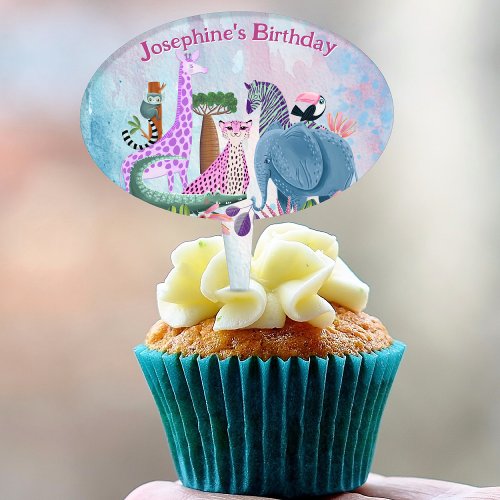
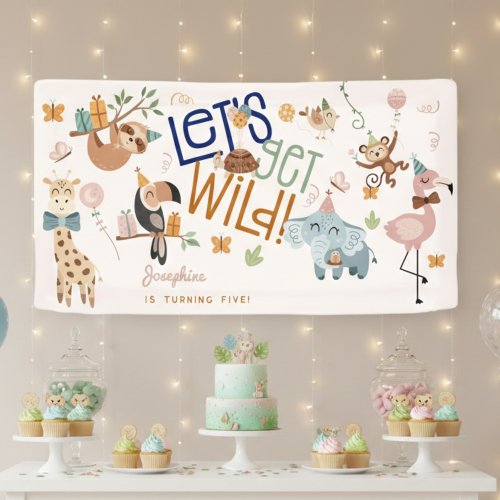
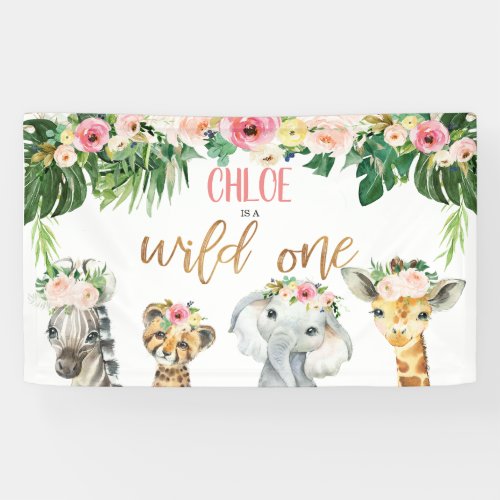
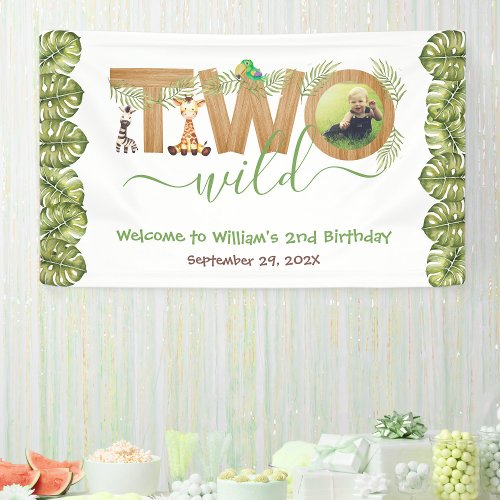
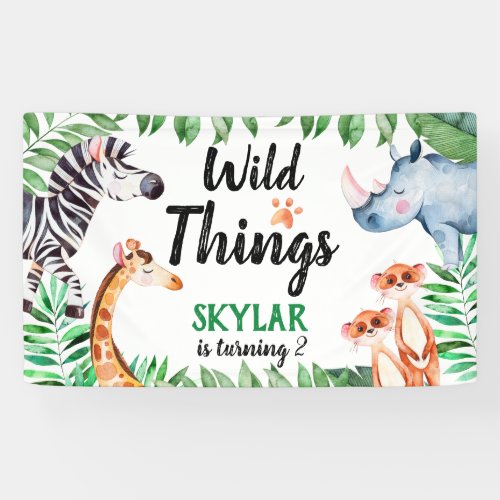
Banners & Signs
Napkins
Favour Tags
Affiliate links — at no extra cost to you. Prices are from Zazzle as of August 2026 and change without notice.
What makes the difference
- Hide the animals rather than arranging them. A displayed animal is decoration; a hidden one is twenty minutes of party.
- Hide one animal per child and say so, so the hunt ends fairly and nobody goes home empty-handed.
- Khaki, sand and one dark brown. Adding bright orange and green turns it into a generic jungle party.
- Binoculars are the prop that changes behaviour — children who have them actually look for things.
Common questions
What is the difference between safari and jungle?
Safari is dry, open and about spotting animals at a distance — khaki, canvas, binoculars. Jungle is dense, green and about being inside the foliage. Safari suits indoor parties better because the hiding places are already there.
What age is a safari party for?
Three to seven. The spotting hunt works from three; charades and track identification hold the six- and seven-year-olds.
How many animals should I hide?
One per child at minimum, plus a few extra so the fast finders keep going. Say the number out loud at the start.
Does it work in a small flat?
Well, actually — a small space has more hiding places per square metre than a garden, and the hunt is the whole theme.